

Reclaimed wood is timber that's been recycled from other sources. When wood is no longer needed, it can be taken from its original application and given a “second life” through new purposes, such as flooring or architecture. For example, removing wooden beams from old barns to use in newly constructed housing is considered reclaiming wood.
Wood can be recycled from many places, including old buildings, factories, warehouses, farms and bridges. Old lumber tends to be more stable, so it is often used in custom buildings and high-quality homes. Antique wood is a versatile aesthetic option for infrastructure and furniture. Walk into many homes, buildings or offices, and you'll see that reclaimed wood adds a charming beauty to its surroundings.
Reclaimed wood is more than just attractive decor. Because it trades new materials for used ones, wood recycling has a positive environmental impact.
Why Is Reclaimed Wood Sustainable?
Reclaimed wood is an earth-conscious alternative to virgin materials. Instead of being left in an abandoned structure to rot or be discarded with other materials, wood that was once a piece of history is reclaimed and given a new purpose for years or even decades.
Our natural resources are limited, and any opportunity to reuse or recycle materials destined for the landfill is a great way to conserve those resources and preserve our planet's health. Reclaimed wood is seeing positive growth in the U.S., with at least 35% of commercial and residential projects implementing reclaimed lumber.
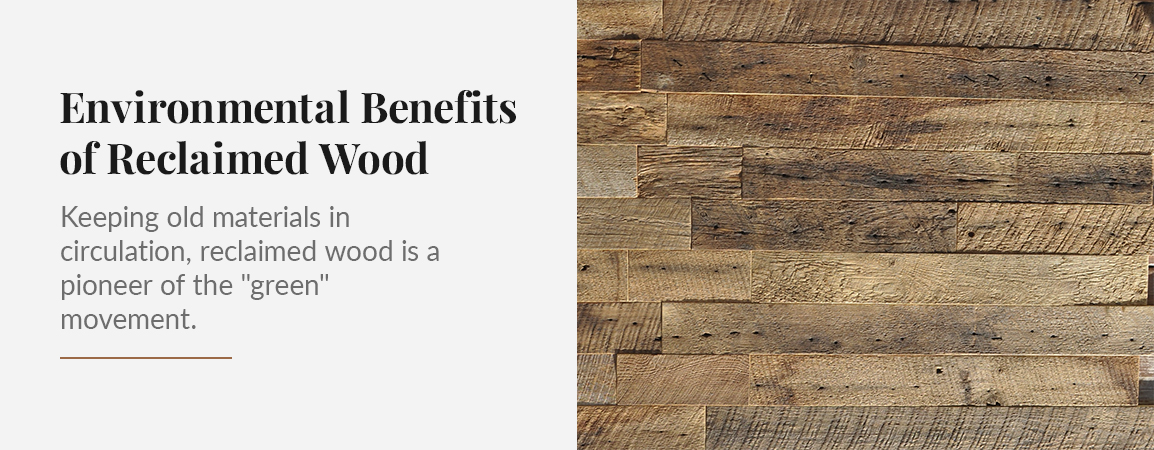
Environmental Benefits of Reclaimed Wood
Because it keeps old materials in circulation, reclaimed wood is a pioneer of the "green" movement. As an eco-friendly choice, it offers many benefits. Let's explore how reclaimed wood is paving the path for a more sustainable future.
1. Conserves Resources
Reclaiming wood preserves wood waste that would've otherwise been thrown out, lowering the demand for fresh lumber. Reclaimed wood is also sourced locally, minimizing transportation distances. By reusing antique wood, we reduce the need to cut down new trees and use energy for long-distance lumber shipments.
While reclaimed wood provides us with top-notch lumber, repurposing also improves the quality of our air, water and soil, resulting in an overall healthier environment.
2. Protects Wildlife and Ecosystems
Reclaiming wood reduces logging, which helps prevent habitat loss and preserve intricate ecosystems. When we reuse old lumber, we allow biologically rich forests to thrive. In fact, by keeping forests safe, wood recycling promotes biodiversity and even protects endangered species of wood.
For example, reclaiming allows us to keep antique woods in circulation, such as American chestnut, which was almost lost in the blight of 1905, or the American elm, which was wiped out by Dutch elm disease.
3. Lowers Carbon Footprint
Trees store a significant amount of carbon. That carbon is released into the atmosphere as wood decomposes, and energy is used to extract and transport raw materials. About 34% of carbon emissions come from transporting lumber from producers to consumers.
Through reclaimed wood practices, we can significantly reduce the impact of wood harvesting on the environment. It's projected that recycling wood could reduce carbon emissions by up to 78% by 2050.
4. Minimizes Deforestation
Deforestation is a serious problem that involves clearing trees for timber, disrupting forest ecosystems.
Timber is one of the Earth's most abundant and renewable materials. Gone are the days of clear-cut forests in the United States, as many groves of trees are family-owned, and the landowners take the preservation of these groves seriously. The number of new trees planted is twice that harvested.
Still, these resources need to be protected and harvested sustainably. By using reclaimed, antique building materials in your projects, you are part of an eco-friendly movement aimed at preserving the Earth's environment.
5. Reduces Landfill Waste
Another advantage of recycled wood is that it decreases waste. When you buy reclaimed wood products, you are saving wood from going to the landfill. When wood is combined with other types of waste, it might not break down all the way. This can emit methane gas, a form of pollution. Any minimization of landfill crowding is a benefit to the environment.
6. Lowers Chemical Pollution
Today, wood is often treated with preservatives to prevent mold, insects and decay. However, these chemicals may lead to runoff, posing environmental safety risks.
While reclaimed wood can contain chemicals, it can still help reduce chemical runoff, as it typically undergoes less chemical treatment and processing. This can help reduce potential air and water pollution.
Reclaimed wood isn't always nontoxic, as it can contain chemical preservatives or pesticides from its previous use. However, reclaimed wood is generally a safe choice when it comes from a trusted source. Suppliers can check where the wood came from and run tests on it to make sure it doesn't contain any harmful compounds.
7. Encourages Recycling
Whether or not you've considered purchasing reclaimed wood for its eco-friendly traits, by now, you've learned how much one simple act can help conserve and preserve our planet. Choosing reclaimed wood is a great way to begin doing your part to positively affect our climate and environment. All in all, wood recycling:
- Helps us protect nature.
- Supports a circular economy.
- Encourages us to rethink other choices.
Why Choose Reclaimed Wood?
Every piece of reclaimed wood that's purchased, donated or uncovered is a win for our planet! Reclaimed timber or lumber helps minimize tree harvest, limits waste sent to landfills and perpetuates the beauty of previously used wood, sharing the past with the future. Regardless of why you choose to integrate reclaimed wood into your space, your decision is actively helping to save the Earth.
In addition to giving old materials a new life, reclaimed wood has a wide range of uses in wood projects. You might choose to implement antique wood in architecture, furniture pieces, art and home decor. With historical significance, sturdy construction and a unique charm, reclaimed wood just might be the perfect addition to your space.
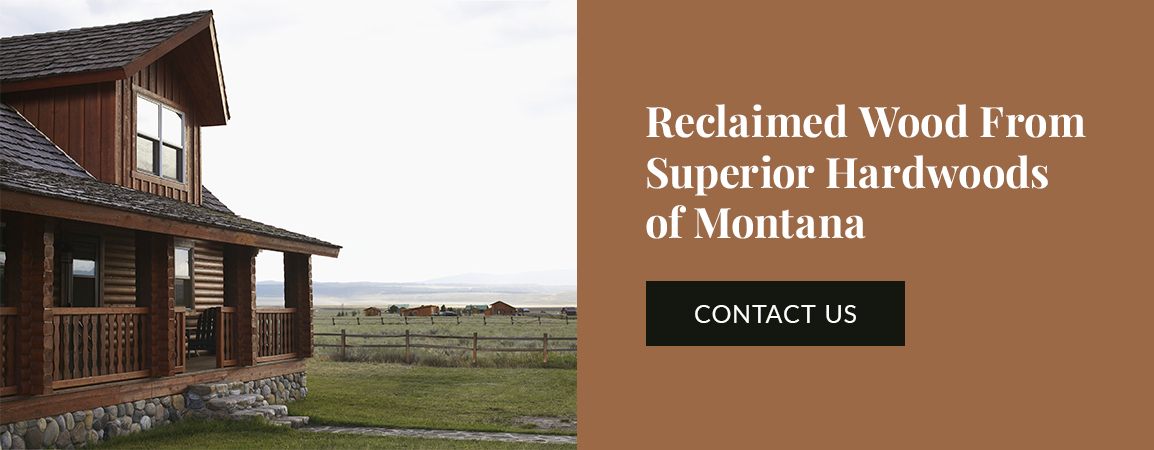
Reclaimed Wood From Superior Hardwoods of Montana
Many people find reclaimed wood attractive in a variety of contexts and settings. You've likely found yourself marveling at a home furnishing or design that incorporates reclaimed wood. At Superior Hardwoods of Montana, we love seeing how our customers integrate our wood throughout their home in diverse ways.
Reclaimed wood is an eco-friendly option for homes and businesses alike. We invite you to Let Us Guide You Through the Woods® by helping you discover all of our reclaimed wood options and the infinite ways you can integrate them into your building, inside or out.
Complete your next project with the charm and character only reclaimed wood can deliver — contact us today and browse our inspiring gallery of reclaimed wood ideas for every place imaginable!