
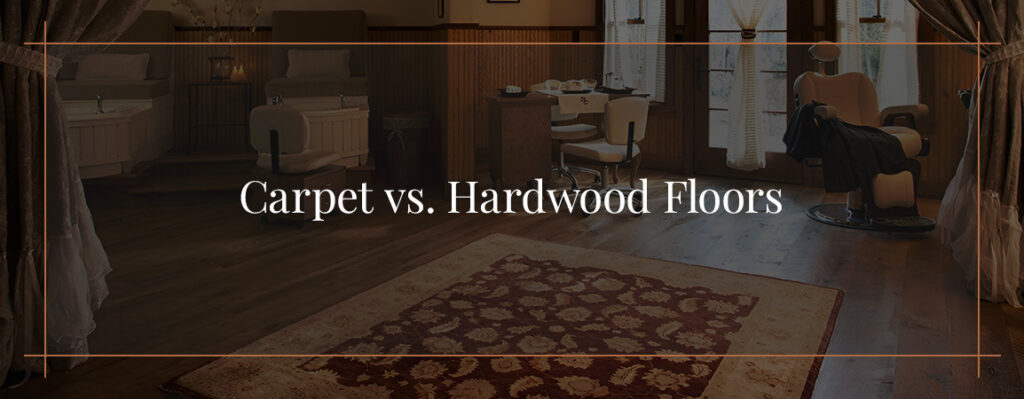
The higher up-front cost of hardwood flooring gives some homeowners pause, but the long-term value often tells a different story. Though carpet is cheaper to install, hardwood typically costs less to own over its lifetime. This carpet‑versus‑hardwood guide breaks down durability, maintenance and health considerations to help you choose the appropriate fit for your home.
Is Carpet or Hardwood a Better Investment?
Carpet is a depreciating asset, while hardwood typically appreciates over time. According to the National Association of Realtors, new wood flooring has a 118% cost recovery. In comparison, carpets have a shorter service life because you can’t refinish them.
Hardwood flooring signals lasting quality to many buyers. Its durability and timeless look often suggest that the previous owner has invested money and time in maintaining the property.
How Much Does It Cost to Replace Carpet With Hardwood?
The cost to replace carpet with hardwood flooring varies widely, depending on factors such as your location and the quality of the wood flooring you choose. It can cost between $6 and $25 per square foot to install new hardwood flooring. In comparison, the average cost of installing a new carpet is $3 to $11 per square foot.
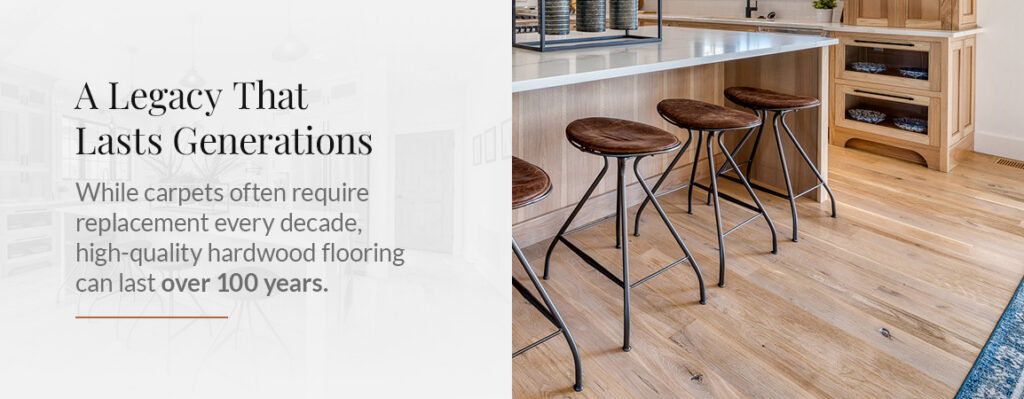
You should also consider longevity. Carpets tend to last approximately a decade, whereas wood flooring can last over 100 years. So while the initial cost of installing hardwood flooring may be double or even triple the price of carpet, you only pay to install the hardwood once. Using those figures, over 50 years, a homeowner may have to pay to have a new carpet installed as many as five times.
Consider the installation costs for your home, particularly if you go from a 1/2-inch carpet pad to a 3/4-inch solid plank. The height difference could affect your door clearance, so you may need additional work, such as trimming door casings or adding shoe molding.
Does Replacing Carpet With Hardwood Increase Value?
Replacing carpet with hardwood can boost your home’s appraisal value, but not all woods are the same. For example, antique, reclaimed lumber’s scarcity, density and stability make it especially appealing to buyers looking for something unique and long‑lasting.
Reclaimed wide‑plank flooring also brings character you can’t replicate with new materials. Pulled from old estates, factories or tobacco barns, each board has a rich history that’s visible in the patina, saw marks, wormholes and natural checking. That authenticity gives a home a richer, more luxurious feel.
Is Carpet or Hardwood Better for Your Health?
Carpets can trap pollutants and allergens, including dust mites, pet dander and mold spores. The American Lung Association recommends choosing hard-surfaced flooring to ensure better air quality. If you have carpets, you can try vacuuming them more often to reduce contaminants, but doing so may disturb more pollutants.
The classic brand-new carpet smell is another potential health issue because it indicates VOC off-gassing, which can cause headaches, dizziness or respiratory issues.
Choose pre-finished hardwood flooring to minimize dust and VOCs in your home. Your flooring company completes all the sanding and finishing off-site, which reduces air quality problems during installation.
Hardwood floors are simple to maintain — a quick sweep or vacuum keeps dust and allergens from building up. Dirt stays on the surface, where you can tackle it as soon as you spot it. Carpets with a deeper pile tend to hide messes, and mold can become an issue if moisture gets trapped in the fibers.
Carpet vs. Hardwood Durability
Carpet starts showing its age relatively quickly. Once the fibers flatten, you’ll get visible paths through your house, and high-traffic areas may even wear thin. Hardwood holds up much longer, and you can keep it looking its best with simple upkeep and refinishing.
Hardwood is also a lifesaver if you have kids or pets. You can take care of most spills with a damp towel and professional cleaner, while carpet tends to soak everything in — and those deep‑down odors can be tough to remove.
Every floor eventually wears down, but sanding and refinishing erases scratches and dents from hardwood. With carpet, a stain or tear often means patching that never quite matches or redoing the whole room.
Timeless Aesthetics
Though home design trends shift constantly, hardwood flooring has a lasting appeal because it adapts easily to any decorating preference. Whether your home leans modern, rustic or traditional, wood floors blend naturally with the look — and if you ever want to adjust the color or tone, refinishing gives you that flexibility.
Hardwood also brings a biophilic element into your space. Its organic texture and neutral presence make it easy to integrate into any design without competing with other materials. Additionally, hardwood floors gain character with age. Thanks to the patina and natural markings that develop over the years, a century‑old wood floor can look richer and more beautiful than a brand-new one.
Carpet doesn’t improve with time. It can instantly date your home, especially when it features bold colors or patterns tied to a specific era. Those choices often dictate the rest of the room’s palette, and since it’s impossible to refinish carpet, keeping up with changing styles usually means replacing it or choosing a safer, more subdued option.
Sustainability
Over 4 billion pounds of carpet enter U.S. landfills every year. Many of these are synthetic plastics that can take centuries to decompose. Opting for new hardwood flooring saves you from the cycle of disposing of multiple carpets over the years you live in your home. You could even pick reclaimed wood flooring, which keeps plastic waste out of landfills while repurposing a finite resource.
Let Us Guide You Through the Woods
Wood flooring is a durable choice that improves your home’s resale value and indoor air quality. It’s an investment that can outlast several rounds of carpet replacement while maintaining and often increasing its long-term value.
If you’re considering upgrading your floors, work with a supplier who understands the craftsmanship and character of quality wood. Since 1977, Superior Hardwoods of Montana has offered an extensive selection of wide‑plank flooring, from newly milled boards to reclaimed materials rich with history. Our 11 acres of premium lumber reflect the same rugged beauty as the Montana landscape. Contact us today to request a quote.